My Durban Experience: Sharing Lesotho’s Literacy Story at SAERA 2025 Conference
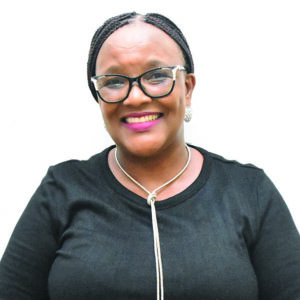
By: Khosi Mofolisa
Education Officer, Dolen Cymru Lesotho
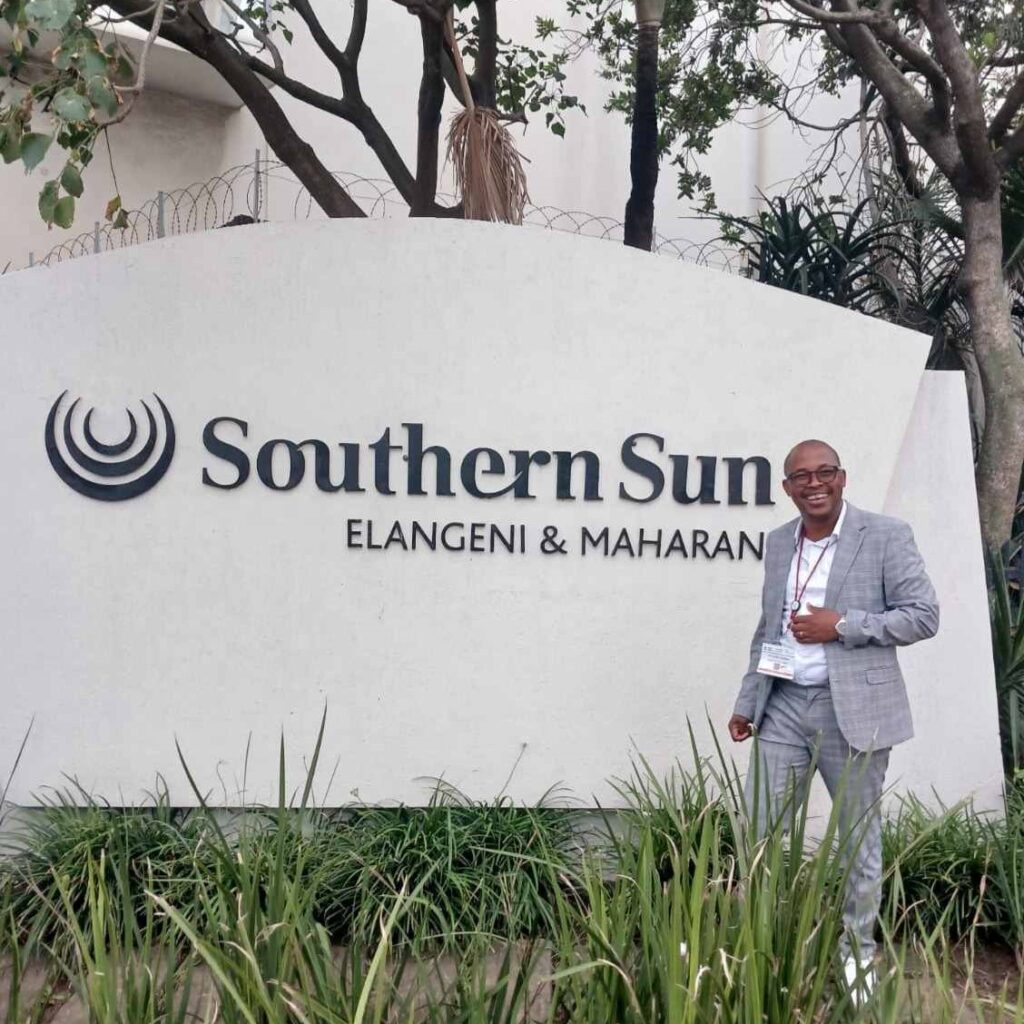
From the 3rd to the 6th of November 2025, I had the privilege of travelling to Durban, South Africa, to attend the South African Education Research Association (SAERA) Annual Conference. The event was held at the scenic Elangeni, Southern Sun Hotel, offering a beautiful view of the Indian Ocean – an inspiring backdrop for meaningful academic dialogue and reflection.
This year’s conference theme, “Education in a Time of Polycrisis: Pathways of Hope, Creativity and Affirmation Ethics,” reflected the urgent need for educators and researchers to reimagine education in a rapidly changing world. Hosted by the School of Education, University of KwaZulu-Natal (UKZN), the conference brought together passionate professionals, researchers, and education leaders from across Africa and beyond.
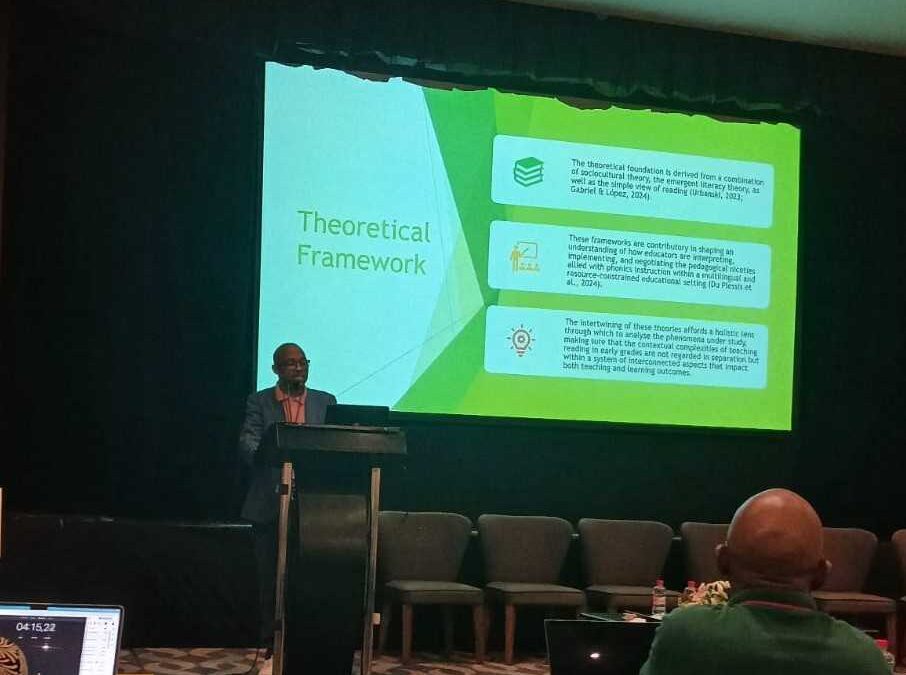
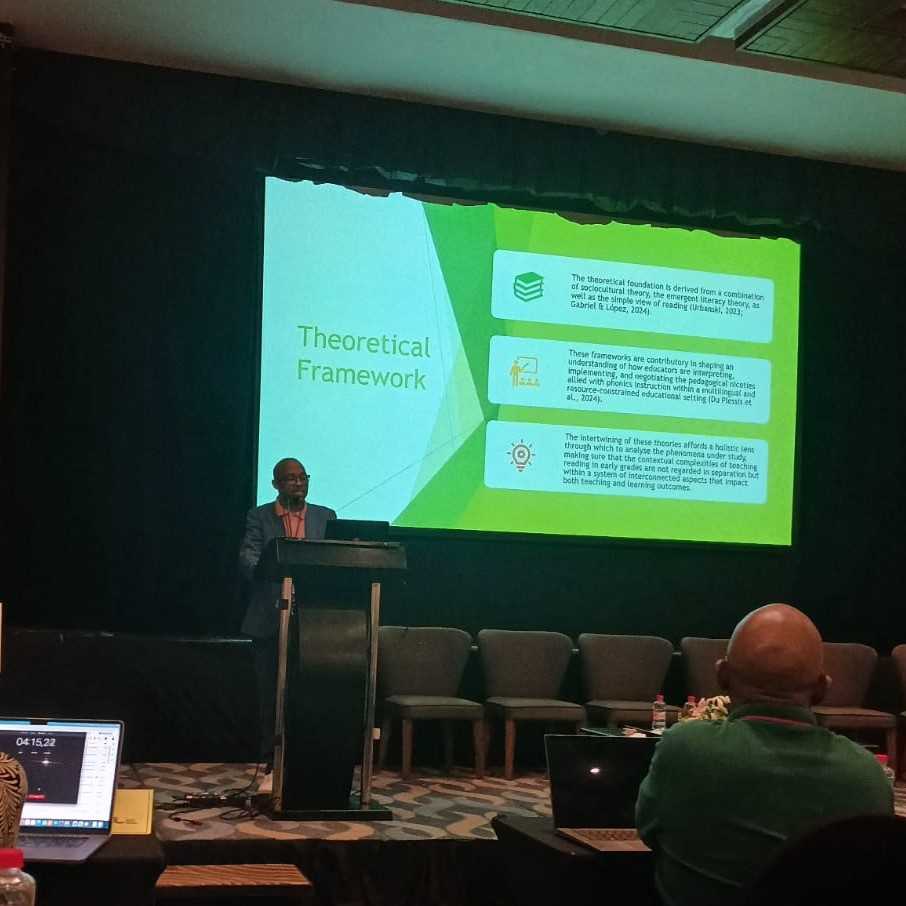
I had the honour of presenting my paper titled “Investigating Early Grades Teachers’ Experiences on the Synthetic Phonics Approach, Specifically Jolly Phonics, in Three Primary Schools in Maseru.” My presentation explored the experiences of early-grade teachers in Lesotho implementing the Jolly Phonics approach to strengthen children’s foundational literacy skills. It was rewarding to share insight from Lesotho and to reflect on how research can inform classroom practice and national literacy efforts.
Among the engaging sessions and presentations, I attended were:
“What is ‘Participatory Visual Research, and Why Is It Important?” – a discussion about inclusion and collaboration in research processes.
“Theoritising in the Posthuman Condition: Rethinking Education” – which challenged us to consider how education evolves in a technologically advanced and interconnected world.
“Activating Formative Assessment to Enhance Pedagogy in Initial Teacher Education Programmes” – which provided inspiring ideas to strengthen teacher education and classroom assessment practices.
Beyond the academic programme, I was deeply inspired by conversation with professors and experienced researchers who shared their journeys and practical examples of applying theory into practice. What fascinated me most was that there were more Professors and PhD holders that Mr/Ms! That alone sparked a dream within me – to one day called Professor.
I made a personal commitment that no SAERA conference will ever pass me by – I will attend every year, present my research, and publish at least one paper annually. I also made meaningful connections with professionals from various universities, relationships that I believe will grow into valuable collaborations.
My “laughable” Experience in Durban
Every trip comes with its surprise – and mine was no exception! Being a novice in travel booking, I mistakenly booked accommodation far, far away from the conference venue, thinking it was nearby. Upon arrival, I accompanied my travel companion to this check-in at the Elangeni Hotel and then asked a parking marshal about my place. He confidently assured me that it was not far – so we relaxed, took a lovely stroll to the beach, and enjoyed the Durban breeze.
But when finally set off for my accommodation, we drove for more than 45 minutes! We were both speechless – and slightly furious. To make matters worse, when we arrived, I discovered it was a self-service guesthouse with no receptionist, just a phone number and instruction to follow. The uber rides from that area to the conference venue would cost over R300 one way!
Thankfully, a good Samaritan came to my rescue the next morning, helping me collect my belongings and find a place much closer to the venue. Looking back, it was quite a “laughable” experience – one that taught me a valuable lesson about checking maps before booking!
Inspired for the Future
The conference not only enriched my academic understanding but also opened my eyes to the world of educational research. I heard about other upcoming conferences, including one that will be held online overseas, which I plan to register for and hopefully present my paper. I also learnt about global research bodies such as the American Educational Research Association (AERA) and the World Education Research Association (WERA) – and I am eager to explore ways to engage with such international platforms.
Attending SAERA 2025 was both academically enriching and personally transformative. I returned to Lesotho inspired, motivated, and ready to continue contributing to the field of education – through research, collaboration, and renewed sense of purpose.
The Physiotherapy and Outreach Program Lesotho (POP Lesotho) is a nonprofit company registered in Lesotho in 2022. It aims to provide children with disabilities in Lesotho with the support and opportunities they need to help them fulfil their potential.
It achieves this by capacity building with caregivers in the community; the provision of assistive equipment, supporting inclusive education and enabling environments. The project is community-based, and its outreach program operates across three districts, Maseru, Leribe and Butha-Buthe, with a particular focus on children with cerebral palsy (CP). Most of the children POP Lesotho works with in the community have a high level of disability and cannot sit or stand without support or mobilise without a wheelchair.
Using a grant from the British High Commission, POP built an Assistive Technology Centre (ATC) at Abia High School in February 2023. Here, it makes assistive devices out of recycled cardboard, a skill called Appropriate Paper-based Technology (APT), and repairs and recycles wheelchairs. In the last two years, POP has produced and delivered over 150 APT devices, repaired and recycled dozens of wheelchairs and purchased seventy-five appropriate, robust wheelchairs using donations from friends in Wales. As well as improving quality of life at home, many of these assistive devices have been used to help children access education. This year, we look toward building a second ATC at the Technology College in Hlotse in partnership with Catholic Comprehensive Community College. This workshop will serve children in Leribe with assistive devices, as up to now, all equipment in Leribe has been transported from the workshop at Abia High School.
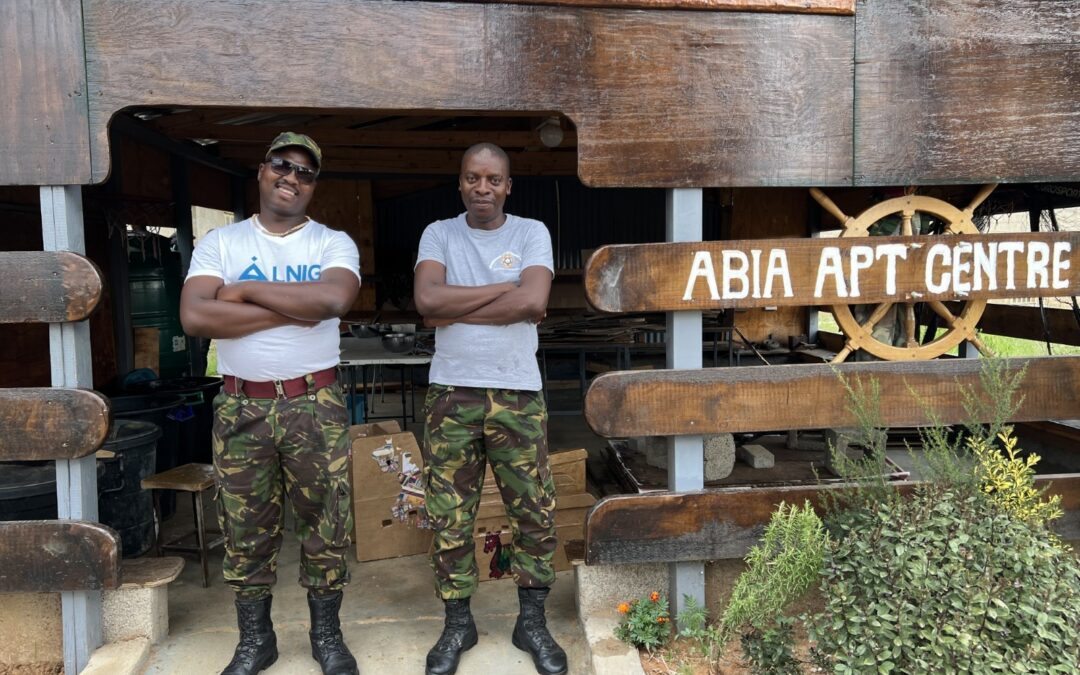
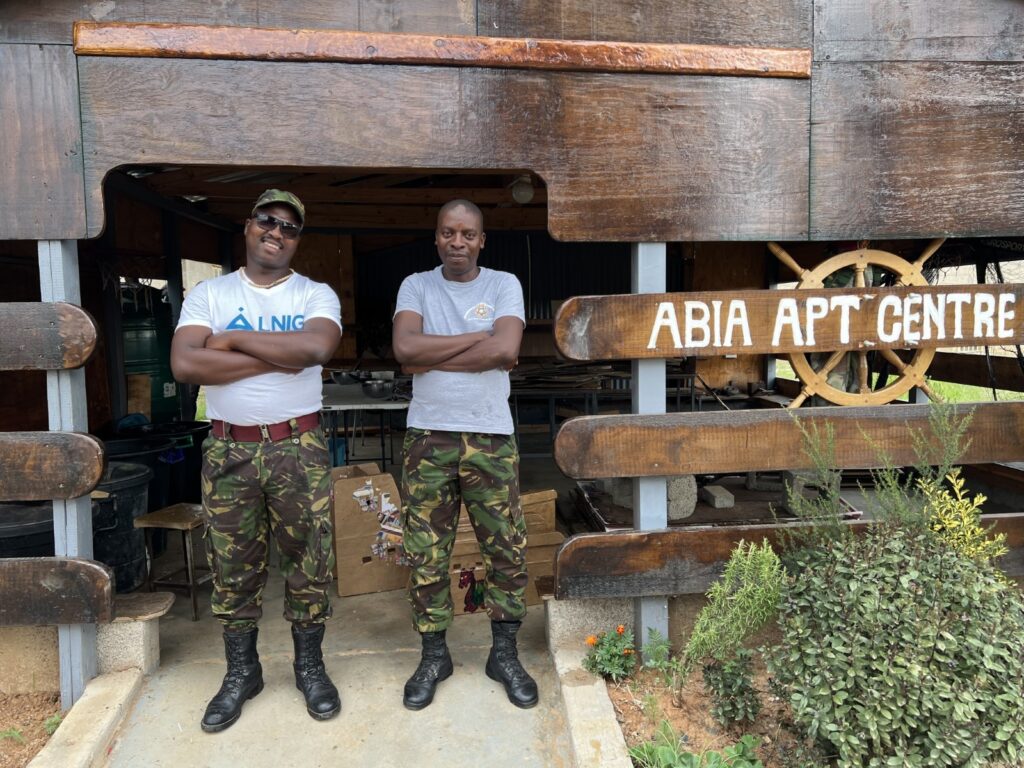
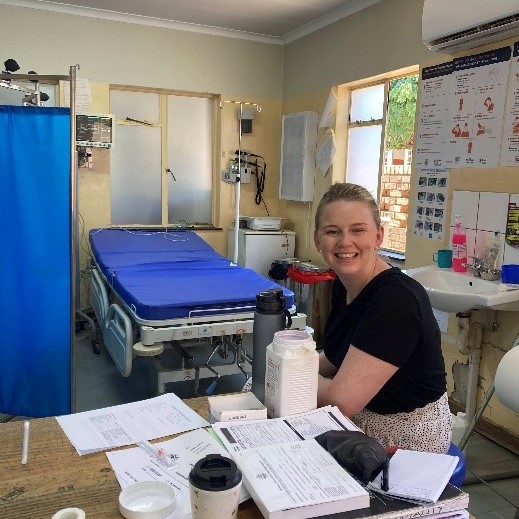
A newly qualified graduate occupational therapist (OT) was appointed in March. She will help cover the outreach program in Maseru District and the school’s program at Ha Seleso and Abia High School. Her skills are a great asset which complement POP’s skills base. Since February, we have had two soldiers on placement from the Lesotho Defence Force (LDF) Physiotherapy Department to assist with APT production, wheelchair repairs and physiotherapy with the children. The soldiers get training, POP gets staff, and the children have improved access to physiotherapy, so it’s a win-win situation for everyone and helps sustain a physiotherapy skills base in Lesotho.
We also work closely with parent facilitators from Malamulele Onward who support children with CP in the community. With their assistance over the last few years, we have empowered hundreds of children and their caregivers with physiotherapy skills and health care knowledge across Maseru, Leribe and Butha Buthe. We have now received funding to purchase a suitable 4×4 to reach out even further and go to the Highlands and reach children in communities that have very little opportunity to access health care.
With the help of Dr Jemma Wright, POP has used its APT database to develop an abstract for a research study. The abstract is titled “The Physiotherapy and Outreach Program Lesotho: Creating Assistive Equipment in a Low-Resource Setting”. This was presented South African Child Health Priorities Association Virtual Conference in November 2024 and was well received with lots of positive comments, engaging other interested parties in this work.
In March 2025, it was presented at the Royal College of Paediatrics and Child Health conference in Glasgow. This is a prestigious paediatric research conference and an opportunity to raise the profile of the APT work POP is doing in Lesotho, as well as to monitor and evaluate it. The conference was well attended, and the presentation was made by a fellow physiotherapist who visited POP in September 2023. The RCPCH were so impressed by the presentation that they are now looking to see if they can introduce APT to Nigeria. The poster for the abstract presented in Glasgow is shown below.
Now, with the building of a second workshop in Leribe, an opportunity to develop this abstract and collect more data presents itself. Data and information can be used to show policymakers the need for resources and how to plan long-term strategies. Without data, these children remain invisible, so the collection and presentation of credible data is very important for raising awareness with the government and affecting long-term strategies.
To support data collection and awareness raising, mums making up an informal CP group in Leribe have been encouraged by POP to register as a group to bring cohesiveness, direction and political influence using its two hundred members. This group can provide information to local social workers and health officials and raise greater awareness of CP and the health and social issues that CP caregivers face within Lesotho. The second half of 2025 looks very interesting for POP Lesotho, and we look forward to continuing to make a very positive impact on the lives of children with disabilities in Lesotho. Please visit our website for more information: poplesotho.org
LDF Soldiers on placement at the workshop
The picture above explains POP’s Process of Creating Assertive Equipment in a Low Resource Setting
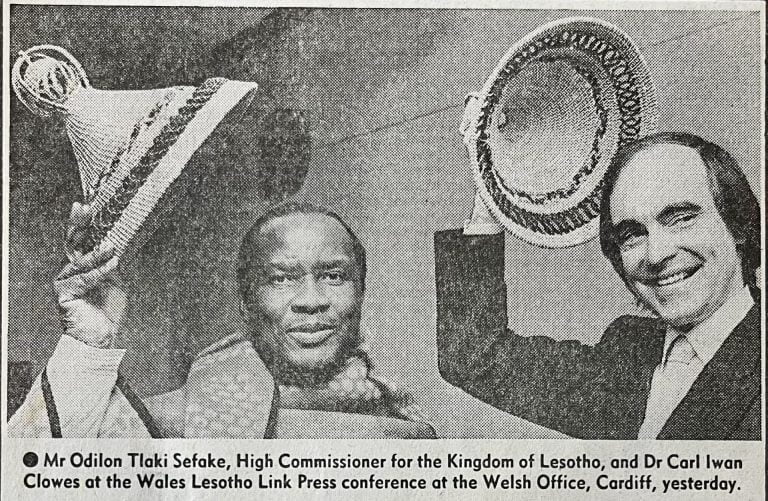
From 1983 to 1985, my father His Excellency Odilon Tlali Sefako, legendarily known as O.T. Sefako was High Commissioner of Lesotho to the United Kingdom. He had four children and I am the last born.
During his tenure as High Commissioner, together with Dr Carl Clowes from Wales, was instrumental in facilitating a linkage between Lesotho and Wales. In March 1985, my father and Dr. Carl Clowes signed and launched the Dolen Cymru (Lesotho Wales Link).
This year 2025, the link is celebrating 40 years and there have been great strides made through this link. As a health professional (Dentist with a Master’s in Public Health), one has observed the enormous growth of the link in the health, education and agriculture sectors and this is indeed very exciting. The link has impacted on the lives of the people of Lesotho and Wales enriching communities and fostering friendships.
I attended an annual event at Sentebale, Lesotho in 2023 where I was very excited to see and interact with students, teachers and some Board members from Lesotho and Wales in large numbers talking about their experiences in both countries. There was also a presentation on the findings of a research on where the Wales Lesotho link started and where it is now.
I am honoured and proud to now be a member of the Board of Trustees of Dolen Cymru and I am sure my father is very happy and proud of me at this point in time.
Wales and Lesotho may be thousands of miles apart, but across both small countries there are wonderful shining stars. They are individuals whose energy and dedication burns bright, creating brighter futures for those around them.
By continuing to use the site, you agree to the use of cookies. more information
The cookie settings on this website are set to "allow cookies" to give you the best browsing experience possible. If you continue to use this website without changing your cookie settings or you click "Accept" below then you are consenting to this.